Advertising a product and advertising an event might seem similar. Both need strong creative, the right audience and a compelling reason to buy. But with events, you're not just selling a product. You're selling an experience and a date in the diary.
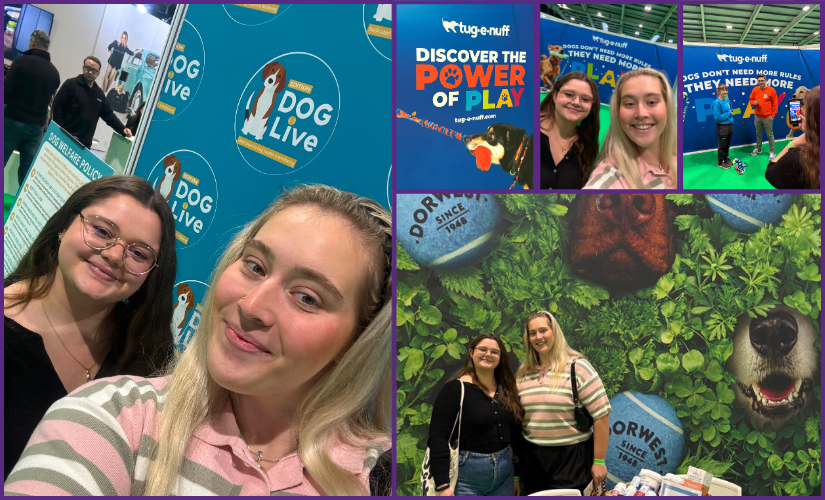
Having recently supported ticket sales marketing for Edition Dog Live, we've seen first-hand how different event advertising can be. From building awareness months in advance to managing expectations when sales take time to build, event marketing requires a carefully planned strategy and confidence in the process.
So, what makes it different?
1. Awareness Is Essential
With product advertising, you're often tapping into existing demand. With events, people first need to know the event exists, what it offers and why it's worth attending. Awareness campaigns introduce the event to new audiences, build familiarity and give people a reason to consider attending before they're ready to buy.
You can't sell a ticket to someone who doesn't know the event exists.
2. You're Selling a Future Experience
Unlike a product someone might purchase immediately, buying an event ticket often requires more consideration. People need to check their diaries, arrange transport or decide who they're going with.
Someone might see an advert weeks before finally purchasing a ticket. Judging every interaction on immediate conversions risks overlooking the role awareness and engagement play in the wider customer journey.
3. Knowing When to Hold Your Nerve
Event sales don't always follow a consistent pattern. You might invest in advertising for weeks before seeing ticket sales build, making it tempting to change budgets, creative or targeting too quickly. The key is knowing when to optimise and when to trust the strategy.
Look beyond ticket sales alone. Engagement, website traffic, ticket page visits and retargeting performance can all help indicate whether interest is building. That doesn't mean ignoring poor performance, but it does mean considering the wider picture before making significant changes.
4. Timing Is Everything
An event has a fixed deadline. Once the date passes, the opportunity to sell tickets is gone.
Early campaigns should focus on building awareness and introducing the experience. As the event approaches, the emphasis can shift towards conversions, using stronger calls to action and reminding interested audiences to secure their tickets.
Getting this balance right is crucial. Focus on conversions too early, and you could miss opportunities to build demand. Prioritise awareness for too long, and you risk leaving too little budget to turn interest into sales.
5. Measuring More Than Ticket Sales
Looking only at final conversions can underestimate the impact of awareness activity. People may engage with an advert, visit the website and purchase days or weeks later.
Alongside ticket sales and cost per purchase, it's worth monitoring:
• Reach and impressions: How many people are discovering the event?
• Engagement: Are audiences showing interest?
• Website traffic: Are potential attendees exploring what's on offer?
• Conversion rate: Are visits turning into purchases?
• Overall sales trends: Are ticket sales building as the event approaches?
No single metric tells the whole story. Combining these insights with reliable ticket sales data helps you make better-informed decisions.
Final Thoughts: Trust the Strategy, but Watch the Data
Event marketing isn't simply product advertising with a different end goal. It requires a different approach to planning, budgeting, timing and measuring success.
Build awareness early, give people compelling reasons to attend and understand how the customer journey develops. Most importantly, don't let short-term fluctuations distract you from the bigger picture.
Holding your nerve isn't about refusing to make changes. It's about having the confidence to stick with a strategy when the data supports it, while remaining agile enough to respond when it doesn't.
Ultimately, successful event marketing is about building enough awareness, interest and excitement to get people through the doors when it matters most.